The first cozy weekend break has an unique buzz to it. Grass environment-friendly up, bushes push brand-new development, and the timer on your irrigation controller begins whispering that it is time to awaken the system. If you treat spring start-up as a quick spin of a shutoff and a tap of a switch, you will certainly inherit issues that set you back far more by July. A careful hour currently can save you weeks of area watering later on, in addition to the cash and aggravation that come with emergency sprinkler repair in peak season.
I have begun numerous systems after winter season, from little suv lawns to multi-acre grounds. The patterns know. Cold months are tough on plastic and rubber. Gaskets flatten. Tiny grains of sand drift right into valves. A slanted head sinks a quarter inch each time while the lawn swells around it. None of this is significant, yet all of it takes water far from where you intend it to go. Good lawn sprinkler upkeep acknowledges this quiet drift and resets the system to where it need to be.
What wintertime does to a sprinkler system
Water discovers its means right into spaces you do not anticipate. Also if you had the system correctly winterized, a little dampness can pool in low runs of pipeline or inside heads. When temperatures decline, that moisture expands. On polyethylene lateral lines, you might see a harmless flex. On PVC, duplicated expansion can begin a hairline fracture that does not leakage up until stress integrates in spring. Rubber diaphragms in valves grow tight in the cold. O-rings in rotors shed elasticity, then reject to seal once pressured. Threaded installations that were perfectly snug in October work themselves just loose enough to weep.
Frost heave and lawn website traffic create their own mischief. A rotor that was established perfectly level in 2014 can sit a half inch low currently, which implies the nozzle fires into the grass rather than over it. Pop-up sprays get angled by a snow shovel or a wheelbarrow, and instantly they toss onto the walkway as opposed to the yard. Heartburn preventers, perched above quality to meet code, sustain months of direct exposure. Their test ports and air vent caps can crack or block with crawler webs. None of this screams failing, however include it up across 30 or 60 heads and you are sprinkling waste.
The first cozy weekend: establish the stage
Do not rush to rotate the major valve open. Spring start-up begins with a walk and an appearance. Clear debris, trim back perennials that grew into spray courses, and remember of any type of settling. A flashlight aids inside valve boxes, where you are seeking mud, rodent nests, or standing water that hints at a slow-moving wintertime leakage. I like to bring a kneeling pad, network locks, a small flat screwdriver, a handful of Teflon tape, and 2 extra nozzles that match the most usual head models on site. An economical stress scale with a pipe string link or a Schrader shutoff adapter is likewise worth bring, due to the fact that numerous springtime issues trace back to stress that is too high or too low.
Your controller is worthy of focus prior to any kind of water runs. Open up the panel and replace the battery if it utilizes one, then check the date, time, and watering days. Power blips can clamber routines. If you have a clever controller connected to weather, verify it reconnected to Wi-Fi. More than when I have actually discovered a controller that went back to factory default after a winter months failure and was readied to water on a daily basis at dawn. That creates soaked dirt and fungus just when turf origins are trying to dive deeper.
A short pre-start checklist
- Verify the backflow preventer is intact, test ports shut, and isolation shutoffs readied to the correct orientation for startup. Confirm the controller area list still matches your lawn, then placed it in hands-on mode. Inspect shutoff boxes for leaks, chewed cables, or ants, and clear out debris. Walk each grass and bed to locate tilted or buried heads, after that note them with flags for adjustment. Close all drainpipe dicks and cap any type of winter blowout fittings you opened.
Bring the system to life gently
Pressure shocks create more breakage than any kind of other part of spring start-up. Metal pipelines can manage a rapid thrill of water, however PVC laterals and plastic shutoffs do far better with a sluggish fill. Open the major water supply to your watering line one quarter turn and listen. You will listen to water relocate with the backflow preventer, then stop as it loads the major line. Provide it a minute. Another quarter turn, one more pause. Once it is totally open, withstand the urge to run every zone simultaneously. Job one zone at a time, for 2 or three minutes per area, and enjoy what happens.
Step-by-step startup sequence
- Start with the zone literally closest to the water source so air steps downstream. Open that zone at the controller, then walk the heads as they purge air. Expect sputtering and milky water at first. Check each go to pop-up, rotation, and toss. Straighten out, increase, or clean nozzles as you go. Move to the following downstream area, repeating the same checks, and circle back to the very first area as soon as air clears to establish last arcs and nozzles. After all zones run, examine the backflow preventer and the main fittings once more for any kind of indicators of seepage.
I faucet the top of each pop-up as it runs to really feel resonance and water hammer. A babbling audio points to a pressure-regulating trouble or a partially closed valve. If heads hardly climb, pressure is low or a leakage is starving the lateral. If heads are misting and drifting, pressure is too expensive or nozzles are used. A straightforward gauge linked to a hose pipe bib near the irrigation linkup will inform you the static stress. Many residential spray zones like 30 psi ahead, blades 45 to 55 psi, and drip 20 to 30 psi. If your fixed pressure is 80 psi and you see clouds rather than steady streams, add pressure regulation at the shutoff or head degree, not just at the house.
Common sprinkler repair issues you will certainly capture early
A great startup is a live diagnostic. Numerous failing modes appear in the first 5 mins if you listen. One springtime I opened up a system and saw one rotor rotating like a propeller, flinging a pencil-thin stream. The nozzle had actually befalled over winter season. Ten feet away, another head rejected to turn up more than an inch, depriving the whole edge. The wrongdoer was yard cuttings packed right into its riser. Two mins with a screwdriver and hose pipe saved a solution call.
Here are the failing modes I see usually and how I approach them in the area:
Broken or sunken heads. If a mower clipped a head last loss, the body may be cracked below quality. With the zone off, wiggle the head. Any wobble recommends a broken swing joint or loosened fitting. Dig a cool square around the head, raise the turf, and reveal the fitting. If the break is listed below the threaded arm joint, I replace the swing joint setting up totally rather than trust fund a brittle piece. When a head is merely reduced, I add a brief nipple area or a taller body and established the leading flush with the dirt grade. Flush the lateral before re-installing the nozzle to prevent pushing grit back with the seals.
Clogged nozzles. Sand, bugs, or mineral range develop behind the nozzle. If a spray has a jagged, unequal fan, shut the area off, eliminate the nozzle and screen, and rinse. If you see a white crust, soak the components in a mild vinegar option. On blades, a weak stream typically suggests the nozzle is partly obstructed or the filter display is loaded. Pull the riser, clean the display, and reseat the nozzle. Keep a little array of replacement nozzles due to the fact that older plastic tiredness and splits when you pry it out.
Valve issues. A zone that will certainly not open or will not shut suggests a solenoid, diaphragm, or particles problem. Evaluate the shutoff from the controller first, after that use the manual bleed screw on the shutoff body. If it opens up manually yet not electrically, examine the solenoid coil with a multimeter for 24 volts air conditioning when activated. Coils are cost-effective and simple to exchange. If the shutoff babbles or will certainly not close, power it off and disassemble the leading to inspect the diaphragm and seat. Fine sand typically ratings the seat. If the diaphragm has actually tensed or torn, replace it. Constantly depressurize the system prior to you open a shutoff, and track spring alignment throughout reassembly.
Wiring faults. Winter months critters love valve boxes. Chewed splices show up as a dead area. Use a simple cord tracker and even an examination light to confirm connection. Water-proof gel-filled adapters are worth their tiny premium in expense since they resist moisture creep. If you are routinely chasing after cable issues in moist boxes, raise interlaces inside package on a clean plastic base.

Backflow preventer issues. I have actually seen PVBs fracture on the rear end where you do not look first. Inspect with a mirror or by feeling. A sluggish drip from an air vent cap suggests debris lodged in the check setting up. Some assemblies let you clean out the checks, others require to be changed. Know your neighborhood code, since several locations call for a qualified tester to solution backflow gadgets and documents yearly reports.
Pipe leakages. An area that never ever reaches stress likely has a side break. Search for pooling water or a saturated stretch of lawn. If the break is evasive, run the suspicious area for 10 minutes, then probe soft areas with a screwdriver. For PVC, a tidy fixing needs square cuts, guide, and solvent concrete, followed by a person cure time. Push-on repair services can operate in a pinch, yet I just utilize them when the soil is damp and a glued joint will certainly not cure. For polyethylene laterals with insert fittings, be generous with clamps: two per side, positioned on the raised barbs.
Dialing in insurance coverage and arc
An excellent watering pattern is even, not heroic. You do not want a solitary head to throw water 40 feet, you want head-to-head coverage at a stable radius. Wind and slope will constantly swipe a little, so build in overlap. After the system removes air and you make basic repair work, take five extra mins to align arcs with a screwdriver or rotor device. On sprays near sidewalks, slim the arc so the fan kisses the side without soaking it. On rotors, set the left stop initially, after that the arc, then the right stop. I favor to complete arc modifications with the head running so I can see the sweep.
If you added or transformed beds over winter season, you may need to re-nozzle. A straightforward swap from a 10-foot to a 12-foot follower on an edge spray can remove a completely dry triangle. On a vast rectangular shape with rotors, blending nozzle sizes across an area helps fine tune distribution. Just keep an eye on pressure: larger nozzles require even more circulation. If an area utilizes way too many high-flow nozzles, stress sags and toss shrinks, which produces an additional uneven pattern. When doubtful, add a zone rather than overload one.
Pressure, guideline, and why mist steals water
Misting looks quite in early morning sunshine, however those small droplets evaporate or wander away before they reach soil. Excess stress is the typical reason. A system at 75 psi feeding common sprays will atomize. You can mount a pressure-reducing shutoff before the manifold, however I have actually had much better outcomes with pressure-regulating spray heads or bodies that hold 30 psi at the nozzle. They cost a couple of bucks much more per head, but the water financial savings over a period towers over the premium. For rotor zones where 50 psi is preferable, usage law that matches rotor requirements, not spray setups. If your water utility provides pressure that swings hour by hour, consider regulator valves for every zone. Secure pressure makes modifications stick.
The controller belongs to maintenance, not simply an on-off switch
Programming is where you safeguard plants and your water expense. Lawn origins in springtime desire deep, infrequent watering. I begin with runtimes that push dampness 4 to 6 inches right into the dirt, which could be 12 to 20 mins for sprays and 30 to 45 mins for rotors on fertile soil. Then I break that right into cycle and soak to avoid drainage. For instance, 2 cycles of 10 mins with a thirty minutes take in between does extra excellent than one 20 min blast on a slope.
Pay focus to plant type. A bush bed with drip should get on a different routine from warm grass with sprays. Drip needs much longer but less regular runs. If you are still running a single program across the whole building, this spring is your possibility to separate zones and customize them. Smart controllers help, yet they are not magic. One of the most useful function for the majority of property owners is seasonal adjustment. As temperature levels increase, bump runtimes up 10 to 15 percent, not 50. When rains get here, dial them back. I keep a composed log or a fast note in a phone for each and every modification, including why I made it. That document helps me prevent panicing to one hot week.
When lawn sprinkler maintenance becomes tiny upgrades
Maintenance catches troubles, yet occasionally a little upgrade will save you hours. Pressure-regulating heads are one instance. Inspect valves constructed right into heads are another. They protect against low head drain on slopes, which quits pools and the sloppy halos that show up around reduced heads every morning. If you are changing greater than a couple heads this springtime, take into consideration upgrading the bodies to PRS with check valves where it makes sense. In beds, I commonly switch sprays that frequently struck hardscape for a brief run of drip line along the side. That basic modification reduces overspray, fights weeds, and keeps pathways dry.
Timers age out as well. Early controllers were durable, but I see weird habits at 12 to 15 years. Programs do not hold. Relay clicks are weak. If your controller is old sufficient to vote, springtime is a good time to replace it. Newer models make troubleshooting easier with clear area labeling, built-in diagnostics, and hand-operated run buttons that conserve you from endless clicks. If you choose a clever version, pick one with a straightforward user interface and a real seasonal change you can bypass. Prevent the temptation to let it include watering days indiscriminately because it came across an anticipated cozy spell.
Safety and code around backflow
Backflow devices safeguard your alcohol consumption water. They maintain plant food, animal waste, and soil microbes out of the domestic line. Lots of areas need an examination every year by a qualified tester, typically in springtime. If your public utility sends out a notification, do not overlook it. Arrange the test after you complete the preliminary startup so any kind of repair services are done. Maintain duplicates of your examination tag or record. I have seen home owners fined after moving right into a residence without records and discovering a years of missing tests. Replacing an overlooked or iced up PVB normally runs a few hundred dollars partly plus labor, and the job is faster if the shutoffs on either side are operable and labeled.
Tools that make spring work go faster
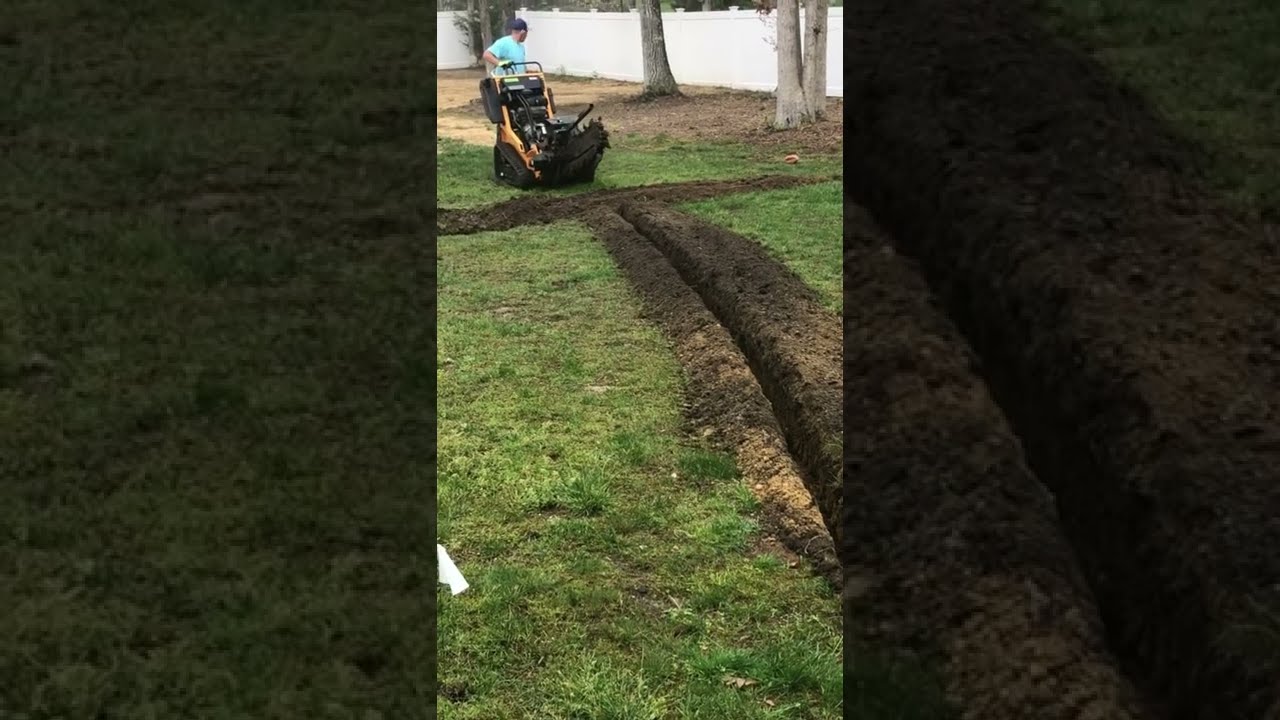
You do not require a van packed with equipment, however a couple of things reduce cursing. A multi-bit screwdriver and a dedicated rotor device take care of most modifications. A slim trenching spade lets you reduce a clean square for head repair work without harming the bordering grass. PVC cutters make cleaner, much faster fixings than a hacksaw, which can shatter cold pipe. A hand pump or wet/dry vacuum clears sloppy shutoff boxes so you can see what you are doing. And a container of blended nozzles sorted by brand avoids you from requiring a Seeker nozzle into a Rain Bird body or vice versa. Brand match issues. So do nozzle sizes that make sense together within a zone.
When to stop playing and require sprinkler repair
Some troubles award experience. If you find a zone that will certainly not shut down even after getting rid of the valve, there may be a control concern upstream. If your manifold https://charliebyvb789.readspirex.com/posts/fixing-reduced-stress-and-irregular-coverage-in-sprinkler-equipments is a fossilized collection of PVC with crying joints, replacing parts piecemeal will certainly waste time and money. Also, when wiring turns into a scavenger quest, a pro with a cable tracer can save hours. Regular solution rates differ extensively by area, yet a simple head substitute often lands in the 40 to 100 dollar array for components and labor, while valve substitutes can run 120 to 250 dollars depending upon access and components. A full manifold reconstruct with four to 6 shutoffs climbs from there. Request clear quotes, and if a tech suggests sweeping changes, inquire to divide essential repairs from nice-to-have upgrades.
Knowing when a fresh sprinkler setup is smarter
There is a factor where maintaining an old, mismatched system limping along prices greater than starting clean. A system with combined head types on the same zone, small pipeline from the 1980s, and a controller that lost its mind every tornado will certainly waste water and time. If you face that, talk about partial rework instead of a complete tear-out. Separate spray and blades areas. Up-size a couple of critical laterals. Include a new manifold location if the old one sits in a perpetually damp corner. Modern lawn sprinkler setup is more than hiding pipe. Great design teams zones by plant water require, sunlight exposure, and dirt kind. It sets head spacing to real head-to-head insurance coverage, not hopeful long tosses. It includes stress guideline at the valve or head level so your spring adjustments hold with July.
When creating or accepting a brand-new mount, verify the static pressure and readily available flow at your site, then dimension zones to remain listed below that number with margin. I prefer to target 80 percent of the determined circulation, leaving clearance for pressure decrease as filters and displays age. Use swing joints on all heads so small shifts in soil do not split installations. On inclines, spec check shutoffs to quit drain down. In beds, default to leak unless there is a details factor sprays make sense. If you inherit a system with blades sprinkling a narrow 4 foot strip, that is an invitation to rework the zone.
Seasonal upkeep past spring
The ideal spring work establishes the tone for the whole expanding period. I set up a fast audit a month after start-up. Turf development and mowing reveal where heads sit as well low. Summertime warm exposes vulnerable points in scheduling. Mid-season, I clean filters at the drip zone shutoffs and flush drip lines if they have end caps. I bump runtimes according to plant stress, not schedule days. If impacts linger in turf or leaves curl in beds, extend the schedule a little. After a warm front, do not reflexively cut water simultaneously, allow the origin zone recover.
Edge situations issue. Shaded north sides require much less water than southern direct exposures, also on the same area. Clay soils need much shorter, extra constant cycles to prevent drainage. Sandy soils require much deeper, much longer saturates with even more constant watering. Windy websites may need a little a lot more overlap or various nozzle patterns. A huge oak tree that leafed out will certainly change dirt moisture in a vast distance, and heads put under its cover may currently spray right into reduced branches unless you trim.
Record what you did, and what you found
I maintain a basic sketch of every residential or commercial property, absolutely nothing fancy. Area numbers, head counts, unique notes. The backflow model and dimension, the year it was last changed, and the name of the screening firm. I note unusual valves that only secure if you transform them a full 90 degrees plus a nudge. These little notes make the following spring smoother. If you market your home, the following proprietor will certainly honor you for it.
A final word on water, perseverance, and judgement
Spring startup must feel methodical, not hurried. The system has been asleep. Wake it gently. View and listen. Deal with the little points before they turn into big points. Real lawn sprinkler upkeep is not regarding going after leaks, it is about resetting the placement between water and landscape. Aim for also insurance coverage, regulated pressure, and schedules that respect plant needs. Add upgrades where they spend for themselves in integrity and savings. Know when a targeted sprinkler repair work keeps you on track, and when it is smarter to remodel an area or think about a fresh lawn sprinkler setup. With that approach, the first cozy weekend break comes to be the peaceful beginning to a period where your plants thrive and your watering does its work without drama.